Your PSA insured value is the most you'll get back if your cards are stolen
A raw 151 Charizard SIR that grades a PSA 10 sells for about $1,200, while PSA's $60 Standard tier only covers $1,000.
On Oct. 19 PSA's customer relations team emailed Rex, whose 169-card return order was on the truck, offering $4,223 for all of it, a total the email said "includes your grading and shipping fees." He wrote back nine minutes later that his invoice for the order was $4,997 in fees alone. PSA's first offer for cards that left on a FedEx truck outside PSA's shipping site on Oct. 13 didn't cover what he'd paid PSA to grade them. About an hour after his reply, PSA wrote that it had been "given the wrong spreadsheet" and would send a correct total, according to the emails Boston Card Hunter posted on X that afternoon along with PSA's follow-up.
PSA has since cleaned up the worst of it. Its Oct. 23 update says it has refunded the grading fees on every affected order and that those refunds "are separate from, and do not reduce, compensation for the stolen items," which is the opposite of what Rex's first email said. Rex wrote on Oct. 20 that the same "wrong spreadsheet" offer had gone to other victims too.
The refund doesn't touch the cap. The same update says PSA pays each stolen item's fair market value "up to its declared Maximum Insured Value," and Rex's offer email said its valuations were "limited to the Maximum Insured Value you selected for this order."
The insured value you pick at checkout is a ceiling
PSA's terms say it will never pay more than "the lesser of the fair market value or the Maximum Insured Value of the item." The tier you pay for sets that maximum unless you declare a different one. On PSA's price page, Standard costs about $60 a card and covers up to $1,000, Priority runs about $80 and covers $1,500, Express is $199 for $2,500 and Premier is $599 for $10,000, with more tiers above that. The $40 Value tier at the bottom covers up to $500.
The terms also let PSA push back when a card looks underinsured. If PSA decides at any point that a card's fair market value runs past its tier's cap, it can require you to pay the fee for a higher tier. If you refuse or can't pay, it sends the card back ungraded and still charges the tier you picked.
So in practice the number you pick at checkout is the one that counts. You pick it before PSA tells you the grade, which decides most of what the card is worth.
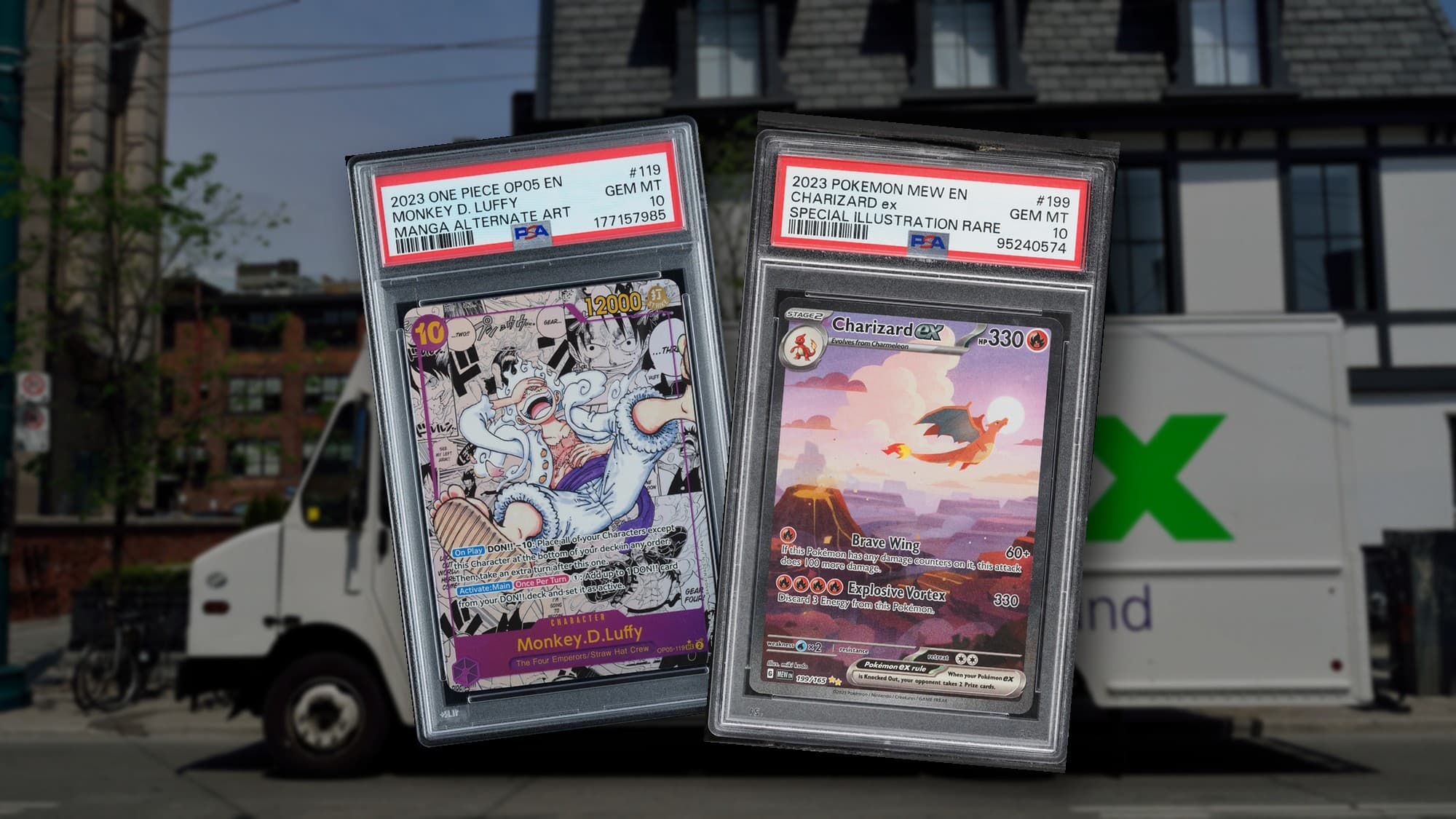
Take the Charizard ex 151 Special Illustration Rare. Raw copies sold for about $300 on eBay and TCGplayer on Oct. 29 and 30, while PSA 10s went for $1,158 to $1,247 in eBay and Fanatics Collect sales over the same two days. A Standard order's $1,000 cap would leave a lost gem $158 to $247 short. Covering it means paying about $20 more per card for Priority, on a 10 you may not get.
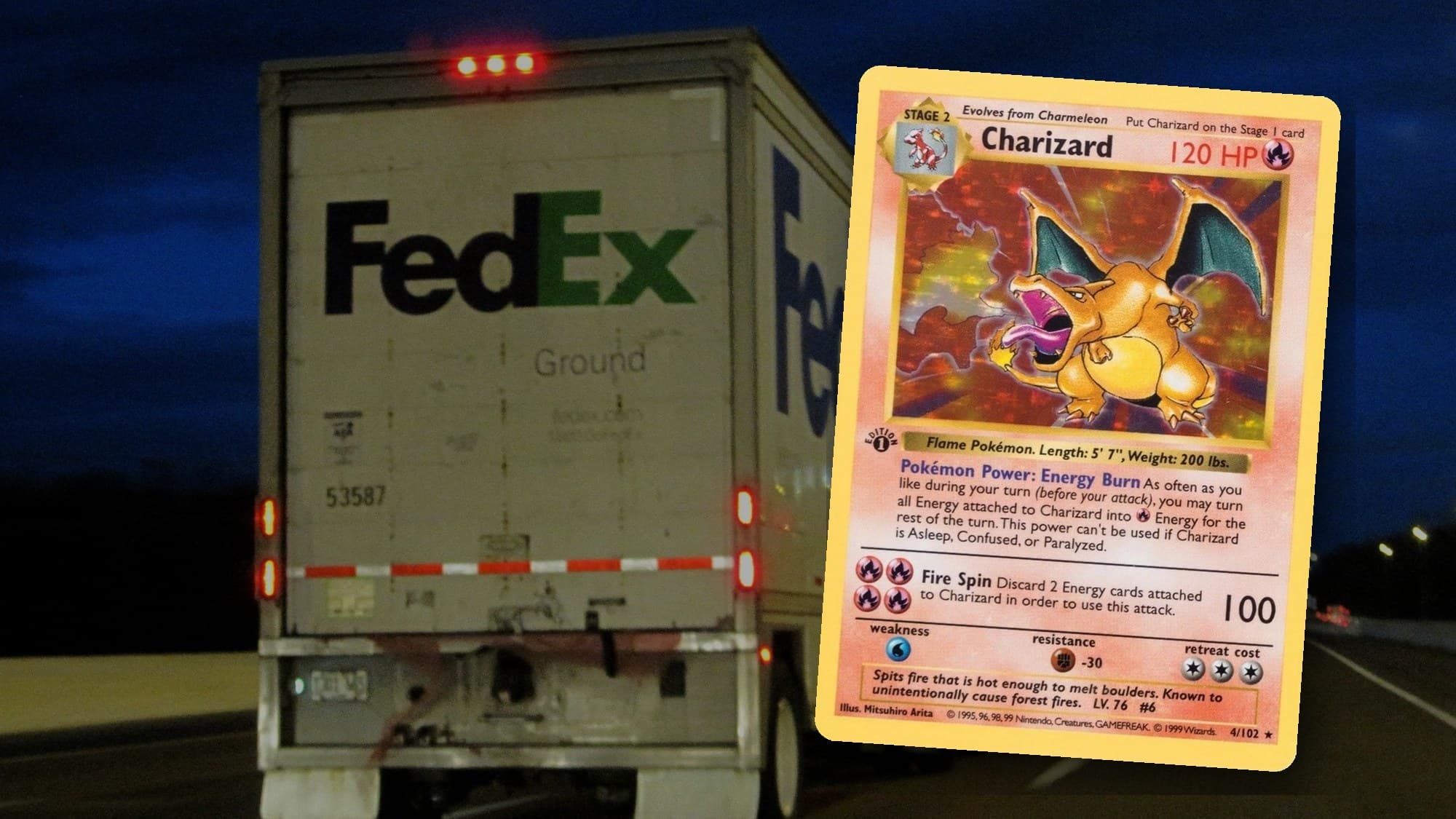
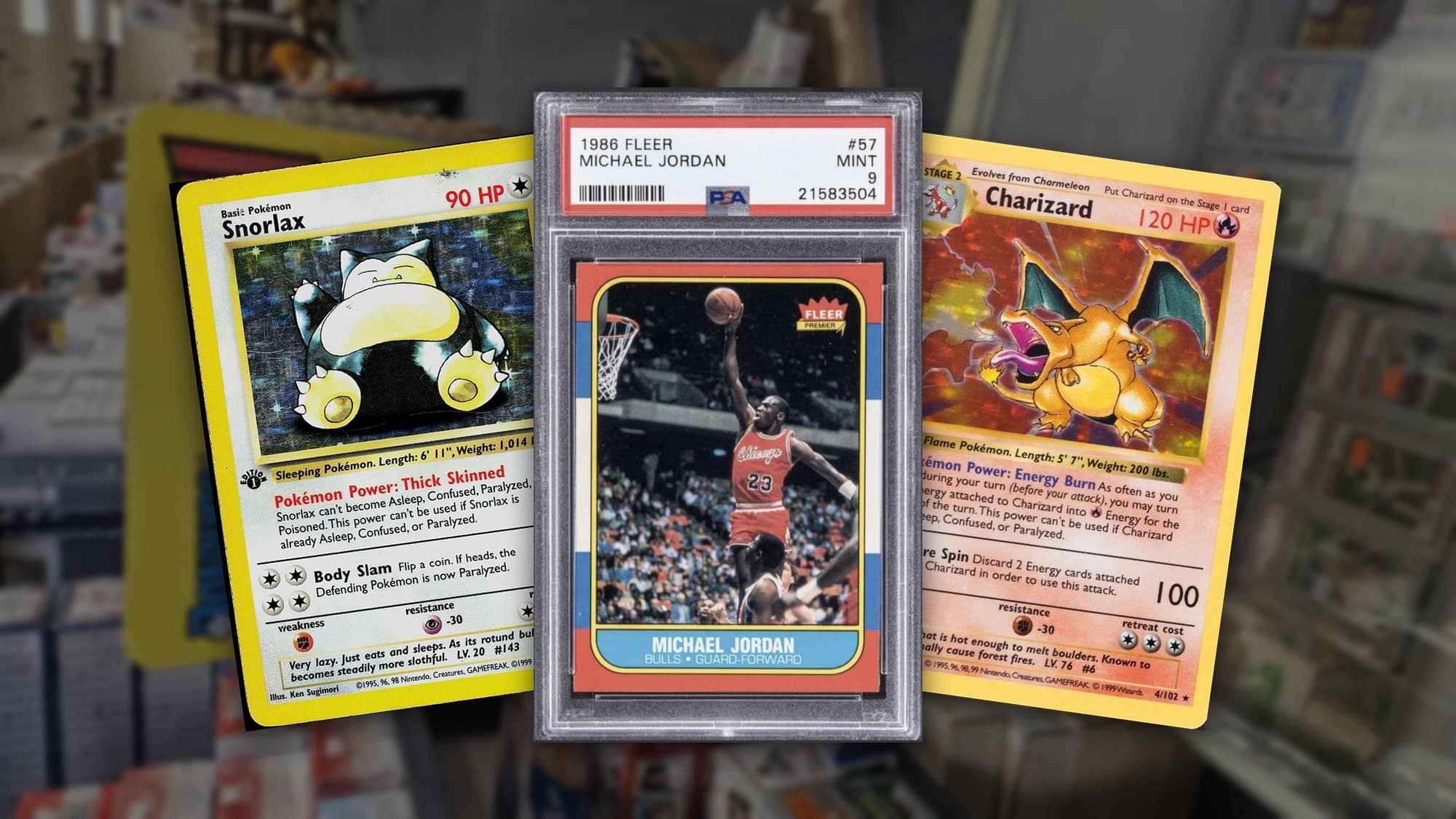
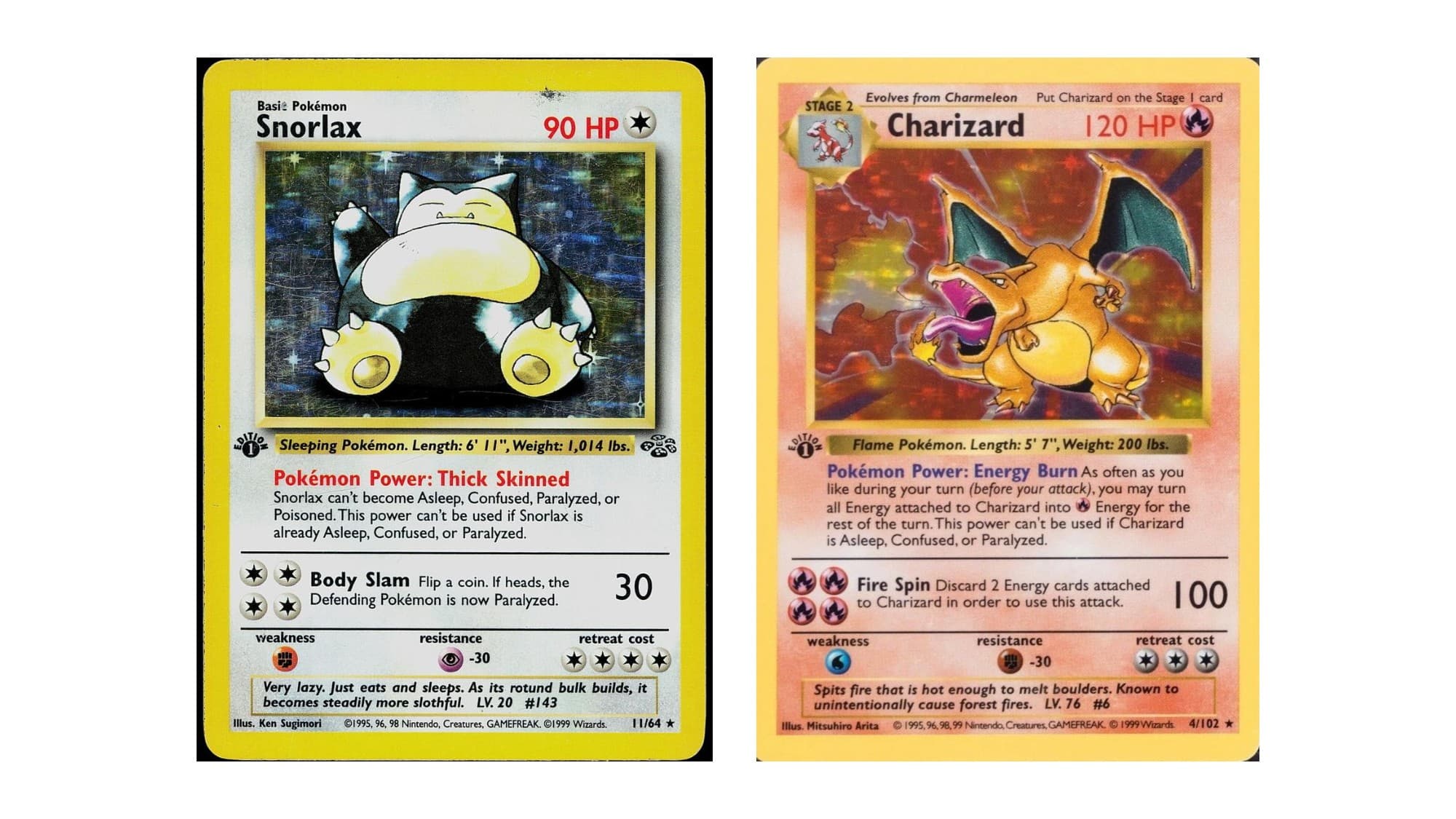
At the top of the hobby the same choice gets brutal. Fanatics Collect sold a PSA 10 1999 Base Set 1st Edition Charizard for $1,380,000 on Oct. 23. Two days later a PSA 9 went for $78,000. Insuring a raw copy at the PSA 9 price puts it in Premium 3 at $2,999. Insuring it at the PSA 10 price puts it in Premium 10, which starts at $9,999 and adds $399 for every $10,000 above $350,000, so about $51,096 in fees. One 1st Edition Charizard is on PSA's list of 6,451 stolen items, with no grade listed.
Why most people insure low
Nobody pays $51,096 to insure a card that might come back an 8, and that's a reasonable call, because a collector who insures every raw card at its gem price is paying grading fees on a grade he probably won't get. Sky-B, the collector behind SKY-B Cards, insured his 104-card order to $156,000 and told NBC News that figure was below what the cards were likely worth.
We covered who is legally responsible when PSA loses your cards, including the California law that may let a collector argue PSA knew a card's real value once it graded it. That argument is worth having, but I wouldn't build a submission around winning it.
What I'd do on the next order
I'd set the insured value at what the card sells for today in the grade I expect it to get, not what I paid for it. PSA's own terms say the same thing, telling you to pick a tier whose cap is "greater than your estimate of the post-grading fair market value." If I'm sending a 151 Charizard because I think it's a 10, I'm insuring it at the PSA 10 price, which means Priority at about $20 more a card. For a 1/1 or anything with no comps, I'd use the closest numbered parallel and save screenshots of those sales with the order, because PSA's update says it prices rare items from "a broader range of historical comps."
Pricing thinly sold cards is what we're working on every day at CardWire on top of the content we publish. Stay tuned for more on the CardWire Value soon.