Shining Charizard PSA 10s sell $11,900 apart on the same Sunday night
A tale about how sometimes, buyers pay 10k over market price for no logical reason.
The holy grail is an algorithm that reflects the mechanics of how cards trade at scale. That's what we're building at CardWire, an independent market price that takes the nuances of the hobby into account and derives a trusted market price for all cards, especially thinly traded ones.
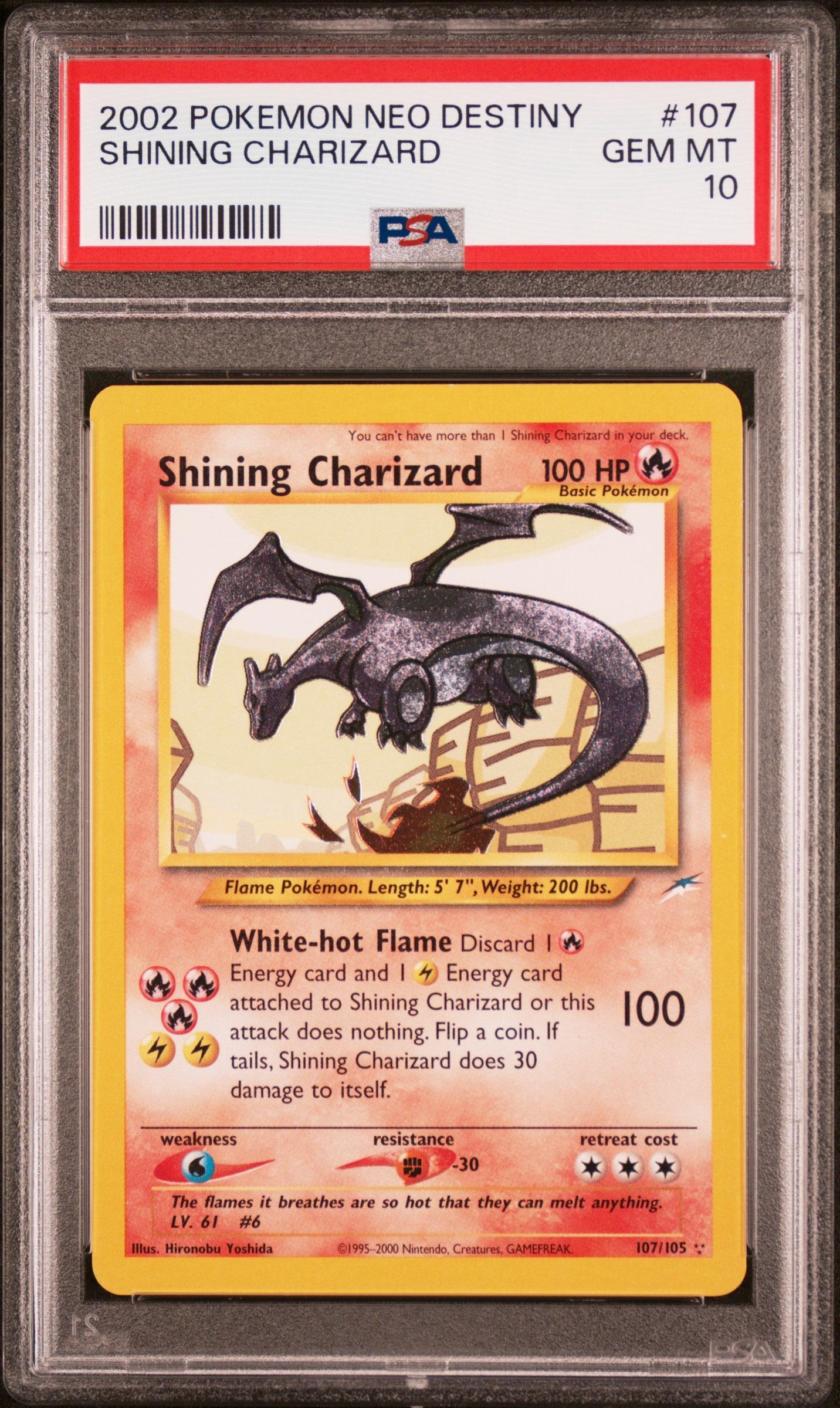
Two copies of the 2002 Pokémon Neo Destiny Shining Charizard #107 in PSA 10 closed at auction on Sunday night, Nov. 8, one for $30,500 at Goldin on 71 bids and one for $18,600 at Fanatics Collect on 25 bids.
The bid counts make it look like Fanatics doesn't have the Pokémon buyers Goldin does. But Fanatics sold this same card for $26,400 at auction in September. When we checked 85 Fanatics auction sales of Pokémon cards against its market price within 45 days, Fanatics landed at 97% of that price, which happens to be the same with sports cards as well.
This occurence is more common than you think. On Oct. 25, Fanatics, sold two Gold Star Mewtwo PSA 10s in the same weekly auction, one for $312,000 and one for $264,000. A week later its Mewtwo beat Goldin's on the same night with 29 bids to Goldin's 71. Timing may have helped Goldin this time. Fanatics starts its Sunday extended bidding at 7 p.m. Pacific, while Goldin's lot ran until 8:16. If the Fanatics copy ended first, a bidder who lost it had time to chase Goldin's.
That $18,600 counts, whatever the reason behind it. Maybe fewer of this card's buyers were watching Fanatics that night, or maybe somebody there just got lucky. The next PSA 10 sold on eBay three days later for $21,312. That's a lot closer to the Fanatics price than to Goldin's.
This is how the market works on grails and on cards that trade a few times a month. A price built off the last sale swings to whichever auction closed most recently, while an average of this card's last three sales fell about $8,500 that one night.
Pricing a card like this means weighing every real sale, the cheap ones included, by when it sold, where it sold and what sold around it. A sale far outside a card's usual range should move its price less than one inside it, until more sales land near it.
Both Nov. 8 sales sit inside the range this card has sold in since May, one about a quarter above the middle and one about a fifth below. A fair price takes in both.
More from the Wire
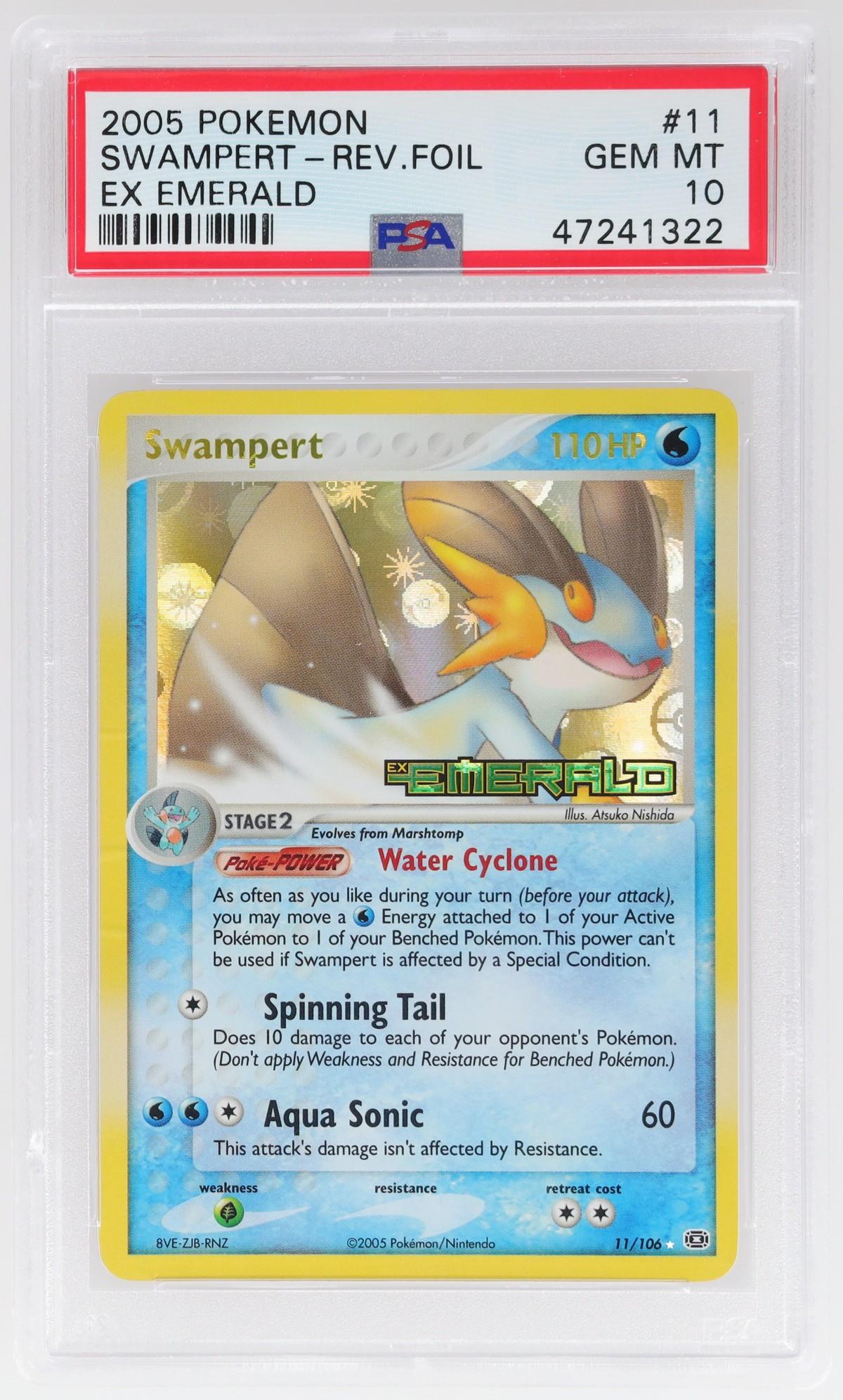
Read moreSwampert's EX Emerald reverse holo is up for auction attracting mid-era low-pop Pokemon collectors
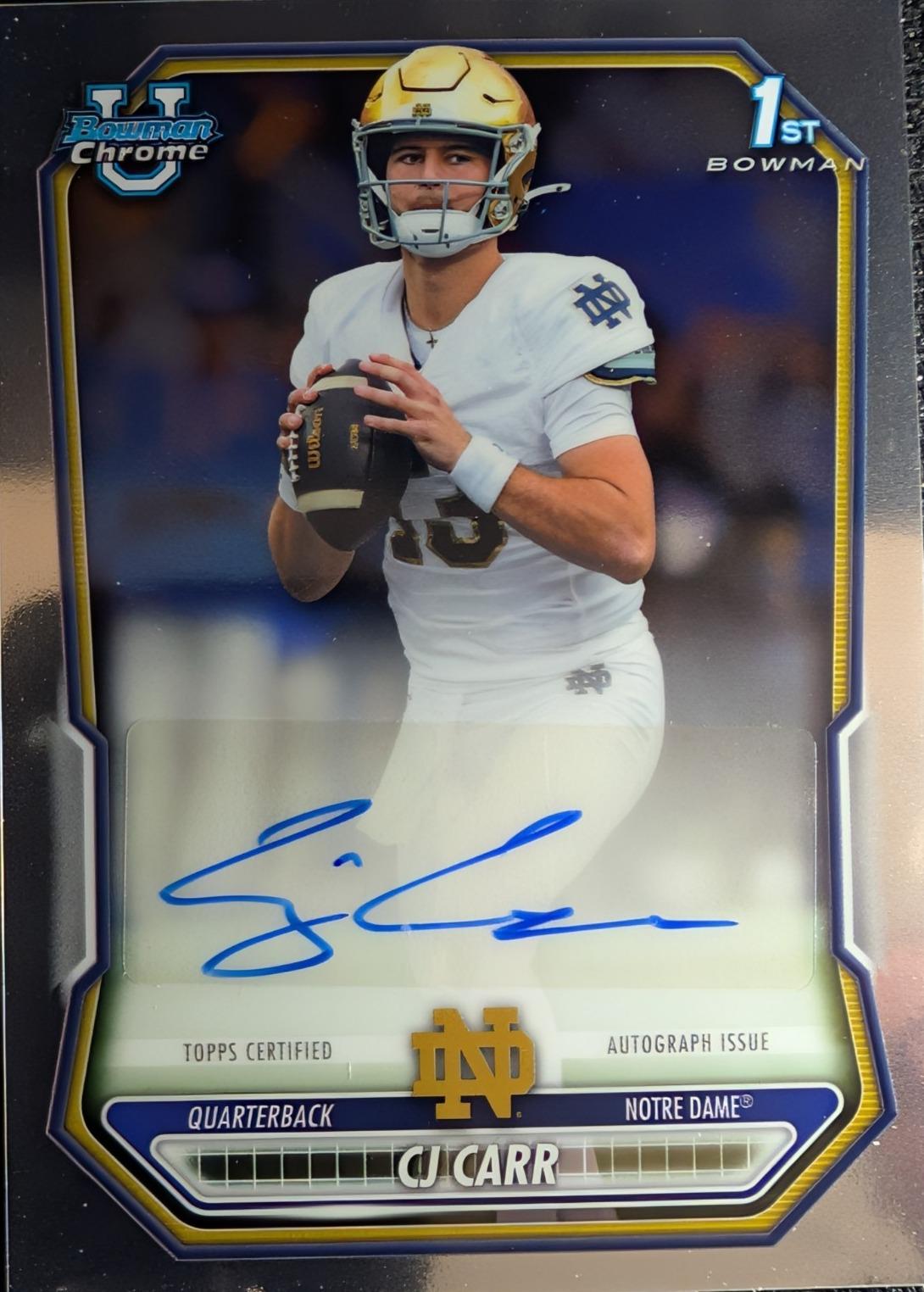
CJ Carr's first Bowman auto sells where Mendoza's did before his Heisman
Star Trek Magic autographs arrive with no published odds
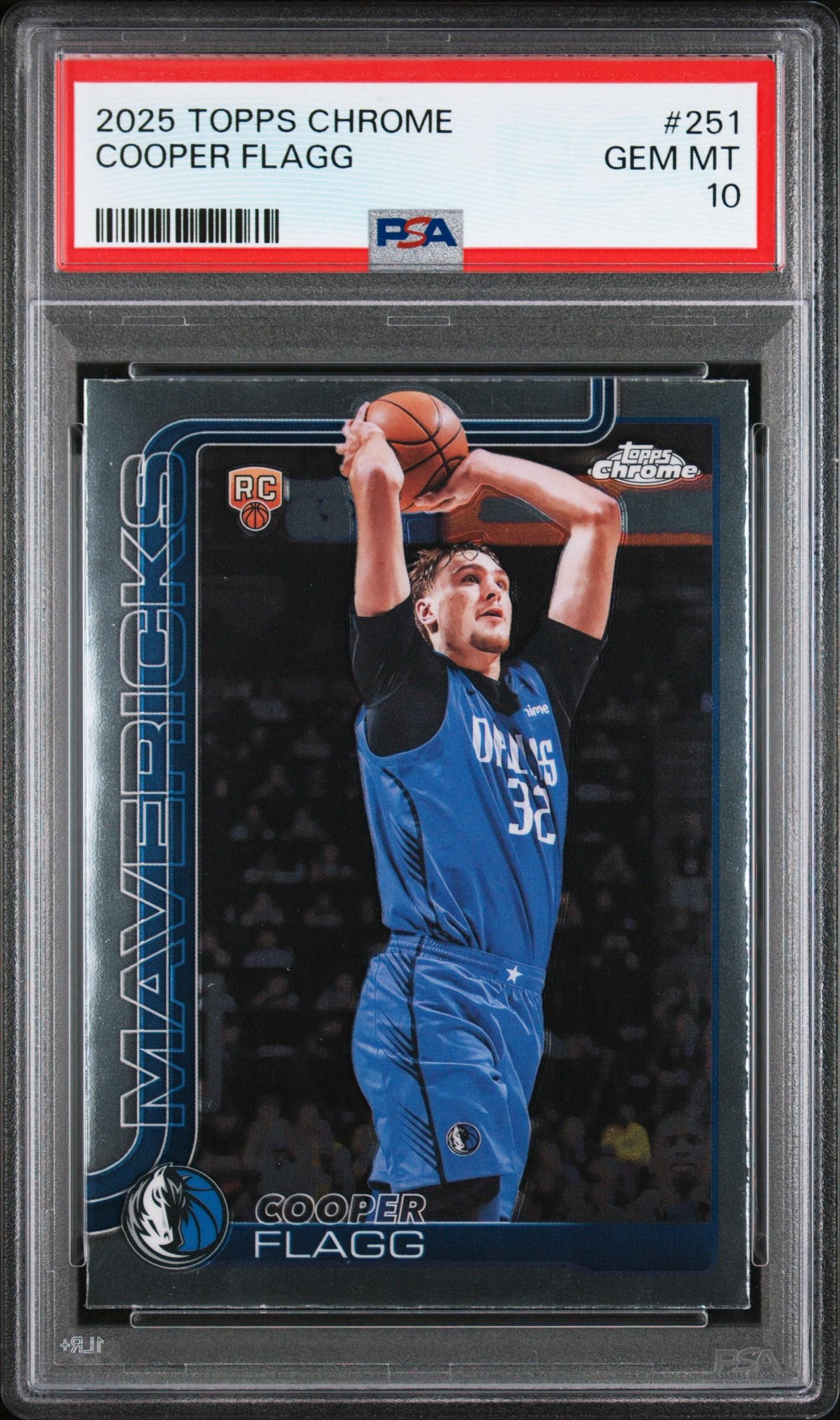
Cooper Flagg's Chrome rookie holds while Harper and Knueppel slide
Crypto.com Rips guarantees 100% of the buyback prices its vendors set